Meet the Team
The people behind the WV Utility Impact Project working to hold utility companies accountable and advocate for West Virginians.

Ashley Ramsden
Founder & Leader Organizer
Ashley Ramsden grew up in Blacksville, a small coal mining town in Monongalia County, West Virginia. Home was a house with pressed-board walls and floors and no indoor plumbing. Like so many Appalachian families, hers learned to make do with what they had, to fix what was broken, and to lean on their neighbors when times were hard. Poverty has always been part of her lived experience, and it continues to shape the way she understands the challenges facing working families across West Virginia.
She graduated from Clay-Battelle High School before earning her bachelor's degree from Alderson-Broaddus University in Philippi. While in college, she traveled to Nicaragua with Amos Health & Hope, working alongside families in rural communities including El Roblar and Tierra Blanca. The experience reinforced something she already believed growing up in Appalachia; people are the experts on their own lives. Lasting change begins by listening, building trust, and working alongside communities instead of speaking for them.
Before becoming an educator, Ashley worked in a variety of fields, managing gas stations, serving in several offices within higher education, and working as a home health and hospice aide. She eventually found her calling in special education, earning her master's degree from West Virginia University and dedicating her career to students with some of the highest levels of need. She has taught in co-taught classrooms, severe and profound programs, behavior development classrooms, and continues to provide homebound instruction. She also coaches youth soccer and robotics, believing every child deserves the opportunity to discover their strengths, especially those who are too often underestimated.
In 2017, Ashley joined Amy Jo Hutchison and other community members for a panel titled Poverty in Perspective in Wheeling, sharing how growing up in poverty shaped her understanding of opportunity, public policy, and community. She knows that behind every statistic is a family making impossible choices to keep their households surviving, and that the people most affected by policy deserve to be part of the conversations shaping it.
That belief ultimately led her to found the West Virginia Utility Impact Project. For Ashley, the work has never been just about utility bills. It's about making sure ordinary West Virginians have a voice in decisions that affect their daily lives. She believes the stories of families choosing between groceries and electricity, medicine and rent, deserve just as much weight as corporate testimony or economic projections. WVUIP exists to make those voices impossible to ignore by the folks keeping West Virginians under heel.
Ashley and her husband have been married since 2015 and are raising their three children in West Virginia. She remains deeply committed to her students, her community, and the belief that Appalachia's greatest resource has always been its people. She hopes to leave the next generation with a state where opportunity isn't determined by ZIP code, income, or circumstance, but rather the simple belief that every West Virginian deserves the chance to thrive.
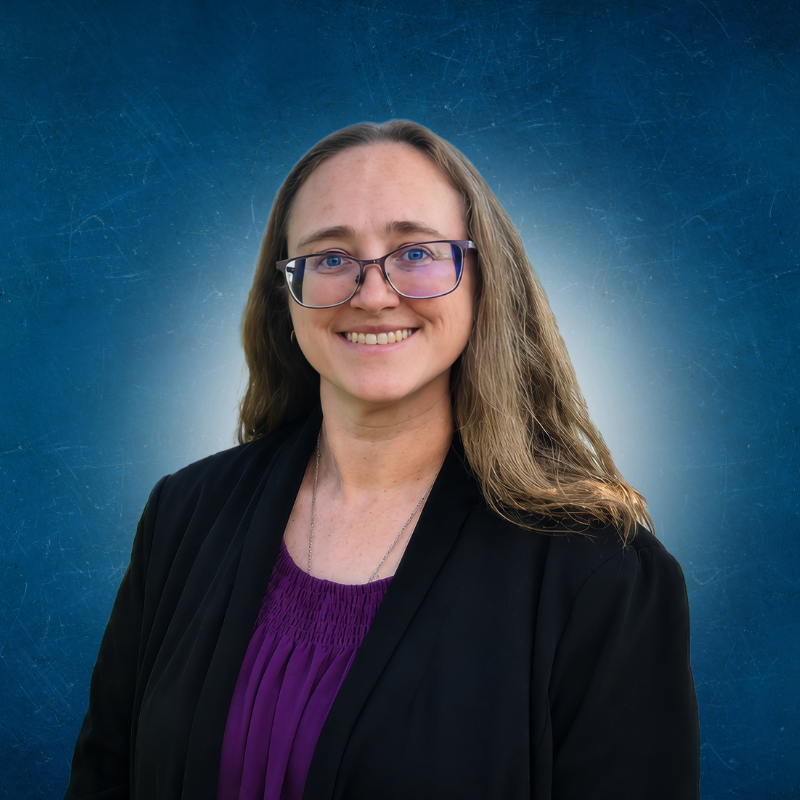
Amanda Morgan
Core Contributer
Amanda Morgan is a lifelong West Virginian, born in Morgantown and raised on her family’s beef cattle farm in Preston County where five generations of her family have tended the farm, raising livestock and growing gardens. She graduated from Preston High School in 2005. While Amanda did attend college, her highest completed education was to become a nationally Certified Pharmacy Technician (CPhT) through the Pharmacy Technician Certification Board (PTCB). In addition to working as a pharmacy technician in a retail pharmacy, Amanda has also worked in health insurance prior authorizations, in-home assistance for individuals in the IDD Waiver program, public health policy, and other aspects of healthcare access. Amanda is currently a Facility Liaison for Modivcare, helping medical facilities ensure their WV Medicaid and CHIP patients have access to non-emergency medical transportation. In her spare time, Amanda enjoys spending time with her family, gardening, reading, crafting, and listening to and playing music.
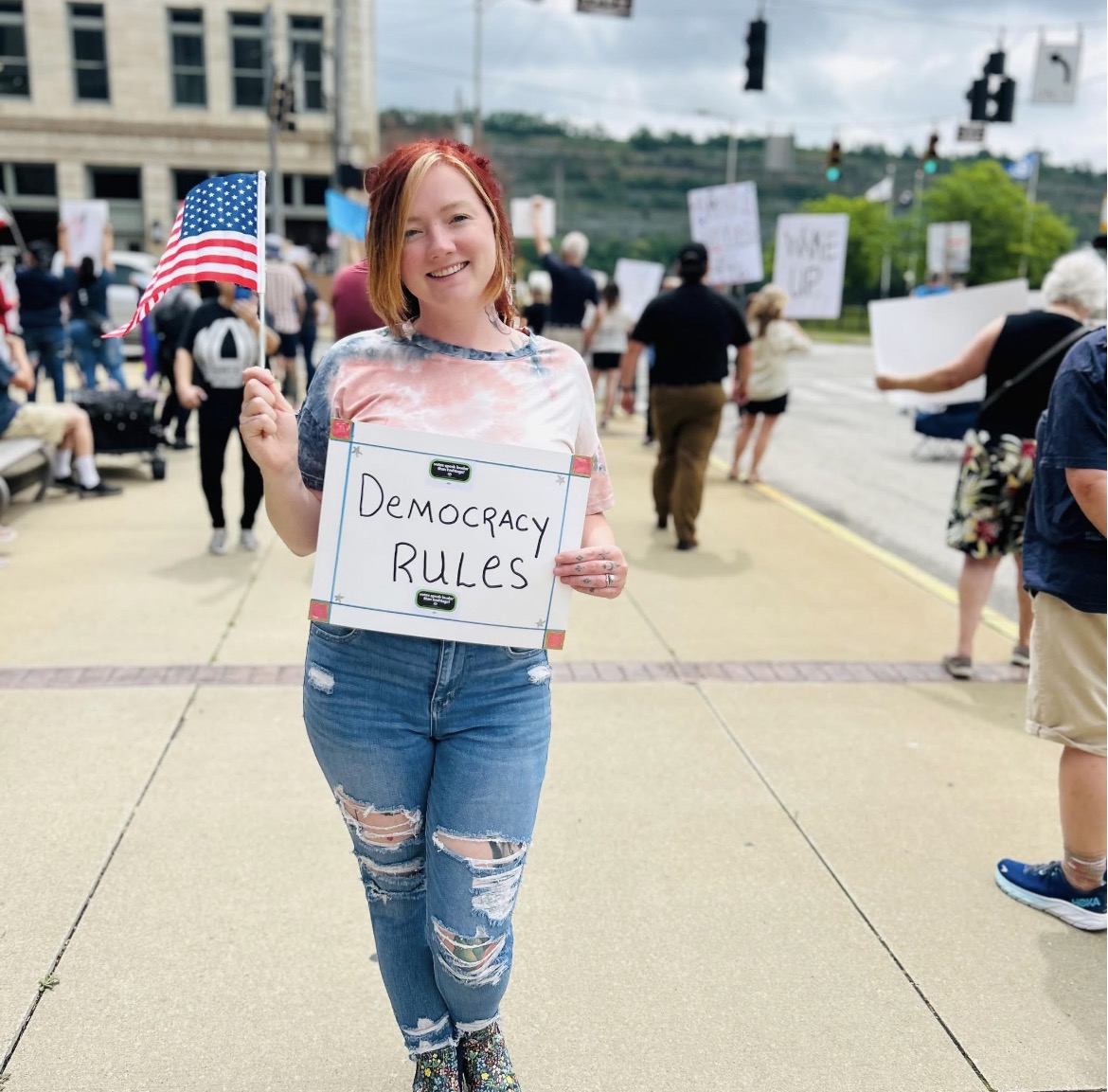
Tiffany Gale
Core Contributer
Tiffany Gale is an advocate and organizer working in Hancock and Brooke counties. Her advocacy is rooted in a simple belief: the people most affected by decisions should have a voice in making them. After spending more than 15 years working with children and families, Tiffany became increasingly involved in advocacy and organizing around the issues she saw affecting families every day. Her work has grown to include public education, child care, utility affordability, civic engagement, and government transparency.
She is passionate about taking complicated issues, whether it’s a utility rate case, infrastructure project, piece of legislation, or local government decision, and making them easier for everyday people to understand. Just as importantly, she works to help people understand that their voices matter and that they have the power to ask questions, show up, organize, and hold decision-makers accountable.
In the Northern Panhandle, Tiffany is especially interested in how rising utility costs and major development and infrastructure decisions affect working families. She wants to help ensure that as communities plan for their future, the people who already call them home aren't left carrying costs they cannot afford.
Through the WV Utility Impact Project, Tiffany hopes to connect with her neighbors, elevate their experiences, and help build a stronger community voice around affordability, transparency, and the future of Hancock and Brooke counties.

William Polhamus
Data Analyst/Data Lead
William Polhamus is a lifelong citizen of West Virginia. He has worked as a delivery driver, and currently works as an intern and IT, and a housekeeper as a secondary job. His academic background includes an associate's degree in Software Development Engineering (2026) from Blue Ridge Community and Technical College in Martinsburg, West Virginia. He enjoys many hobbies and consuming arts, like exercising, creating websites and software, guitar, Spanish, jazz, and civic engagement. A lot of his life is dedicated to building tools and resources that help people heal, learn, and understand the world around them. His efforts within the project are inspired by seeing the massive amounts of misinformation, scattered information, and hateful rhetoric. His goals are to help the civic space turn into something that isn't scary, but rather something that actually helps us flourish, and work towards real solutions.
William joined the West Virginia Utility Impact Project to help with back-end processes, like building the website, helping with reports, and general brainstorming on how to properly represent the voices of West Virginia. He was inspired to join and contribute his technical skills as a way to help speed up the mundane and intensive processes.